
The success of any transformation initiative depends on the quality and cohesion of the team leading it.
Even the most well-defined strategy will stall without the right mix of leadership, execution capability, and change expertise working together with clarity and trust. Designing a transformation team is not a staffing exercise—it’s a strategic decision that shapes outcomes, pace, and risk.
Designing Your Transformation Team provides a practical framework for assembling and sustaining a high-impact team capable of leading complex change. From defining the scope of the transformation and selecting critical roles, to balancing internal talent with external expertise and fostering strong team dynamics, this chapter helps leaders build teams that can execute, adapt, and deliver results over time.
The following takeaways highlight the essential elements leaders should consider when building a transformation team equipped to manage complexity and drive lasting change.
Key Takeaways:
Transformation success starts with team design. The quality, cohesion, and clarity of the team leading the work directly influence outcomes.
Team structure should reflect the transformation scope. Different transformations—digital, cultural, operational, or M&A—require different skills, roles, and levels of specialization.
Clear roles prevent friction and gaps. Defined responsibilities across leadership, change, program management, technical execution, communications, and subject matter expertise reduce overlap and increase accountability.
Balance internal knowledge with external expertise. Internal talent brings institutional context and credibility, while external experts add capacity, perspective, and specialized skills.
Team culture is as important as capability. Trust, open communication, collaboration, and continuous learning enable teams to navigate complexity and pressure.
Anticipate and manage common challenges. Resistance, resource constraints, misalignment, and risk require proactive attention—not reactive fixes.
Measure what matters. Clear success metrics and regular progress reviews keep teams aligned, focused, and able to adapt as conditions change.
Meet the Author
Scott Lininger
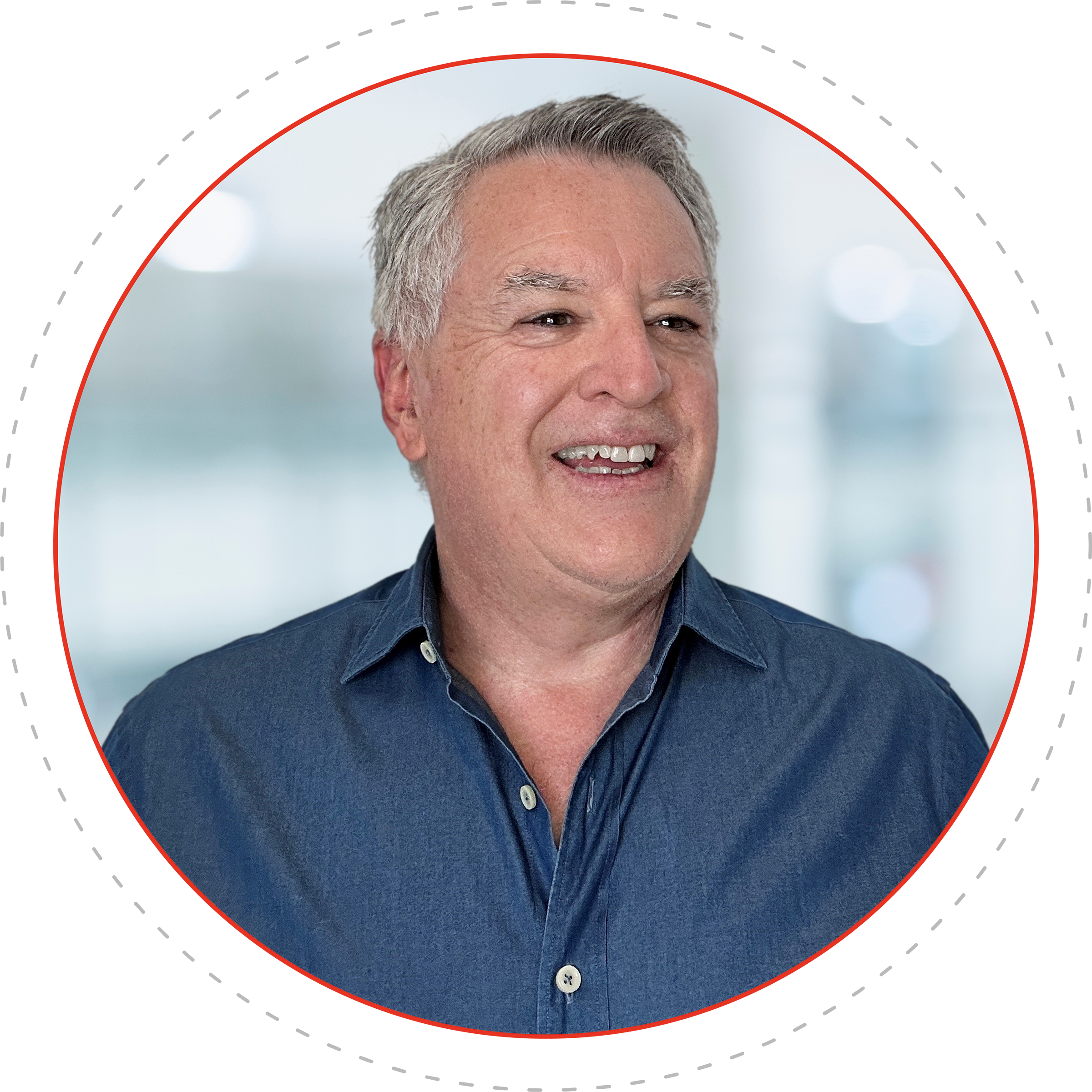
Scott Lininger is a Senior Partner at Kissinger Group, with 20+ years professional services
experience.
He is responsible for developing the firms’ pool of top-notch consultants, as well as managing day-to-day operations. Scott’s strength lies in his ability to identify, recruit
and support the best transformation consultants to work with KGs Fortune 500 clients.
Prior to Kissinger Group Scott led the Southern California recruitment team for one of the Bay Area’s largest consulting firms. He earned his SPHR (Senior Professional Human Resources) certification in 2019.
https://www.linkedin.com/in/slininger/
Click the image to download the white paper — and let us know how we can help with your organizational transformation!